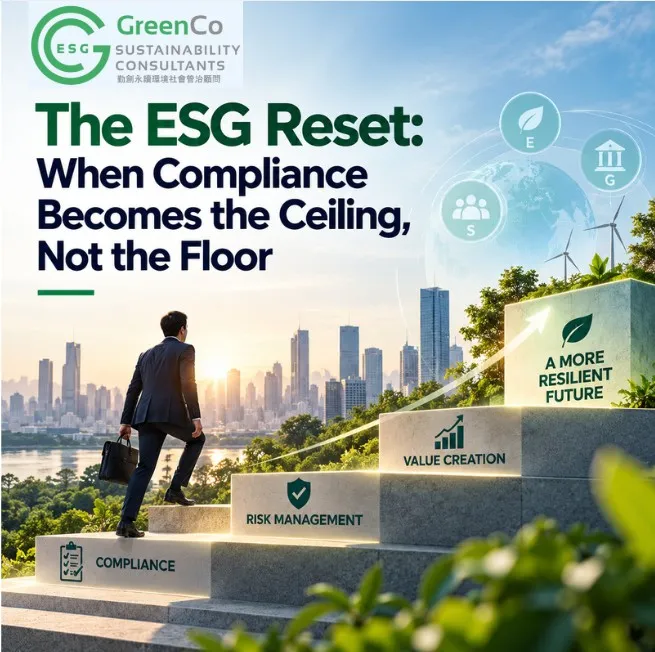
The ESG Reset: When Compliance Becomes the Ceiling, Not the Floor
Sustainability reporting requirements are becoming simpler. But does that mean companies should do less? or does it becoming more selective?
Hong Kong, Singapore, Shanghai

Sustainability reporting requirements are becoming simpler. But does that mean companies should do less? or does it becoming more selective?
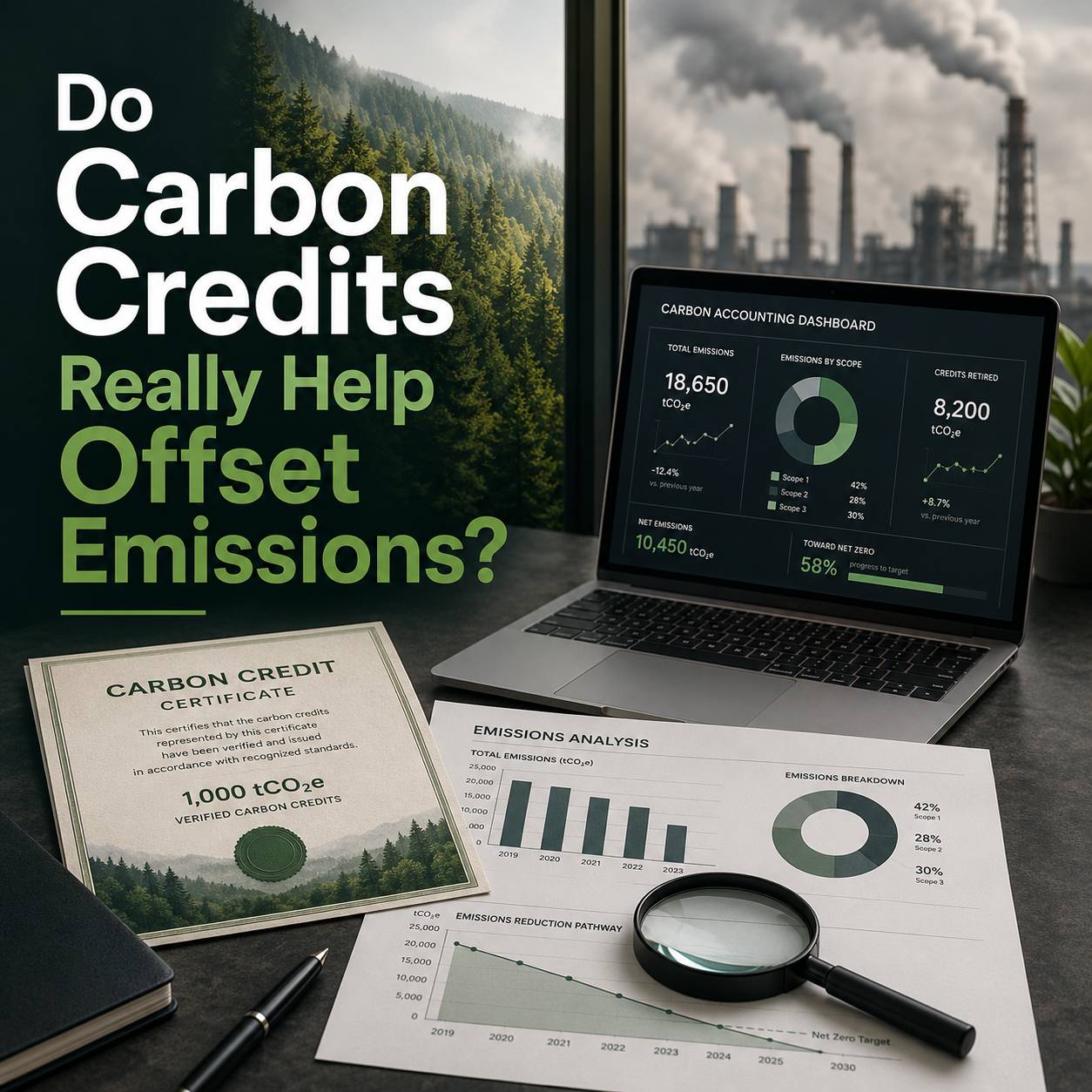
While cutting GHG emissions is the most effective way to mitigate climate change, purchasing carbon credits for offset is getting popular these days.
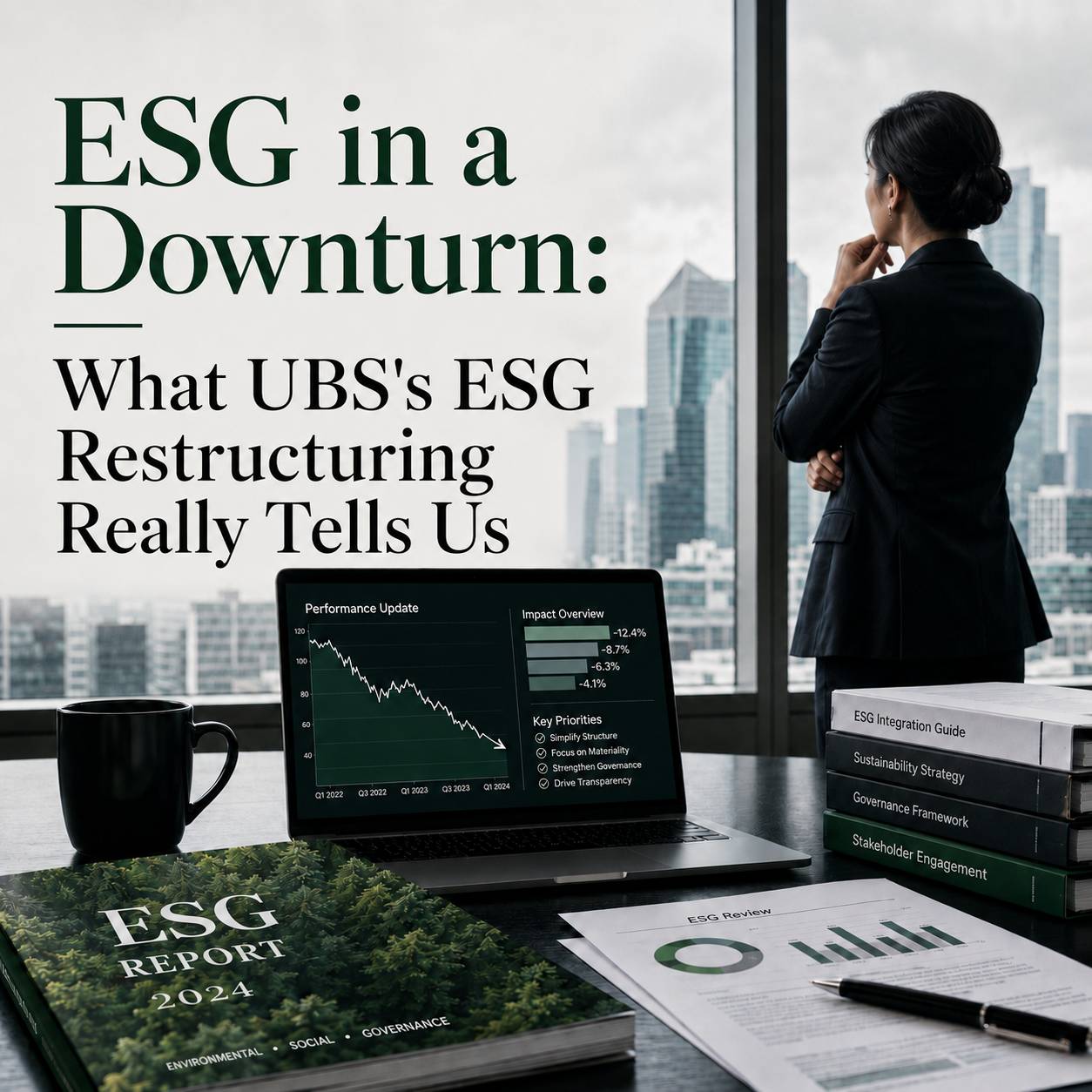
Recent reports that UBS has significantly reduced the size of its Sustainability Office in Asia have reignited a familiar debate: Is ESG losing relevance?
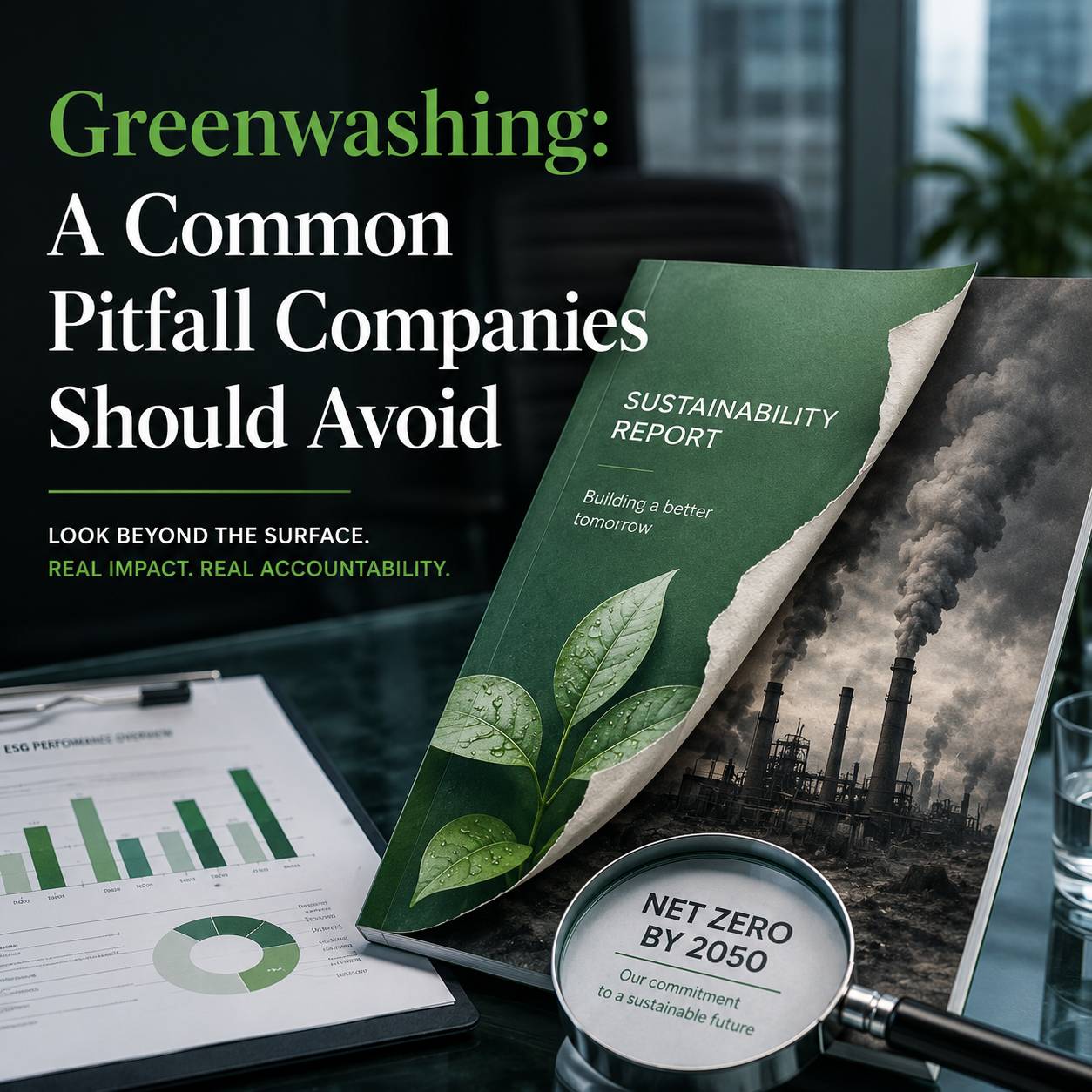
In the era gradually advocating sustainability, greenwashing is a common pitfall that companies should avoid in their sustainability dislcosure.
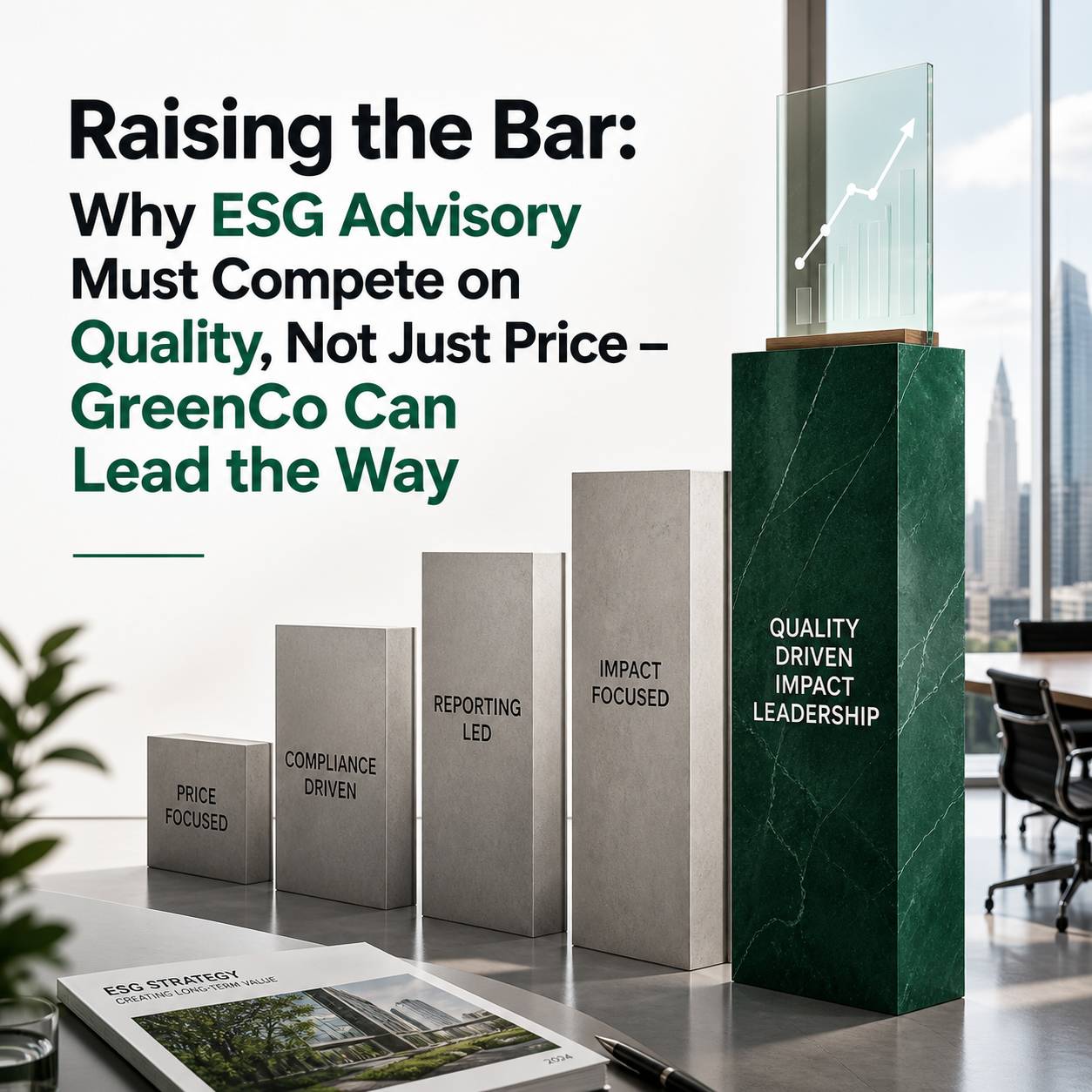
At GreenCo, we have observed a growing gap in the market. While low-cost providers are increasingly common, there remains a clear shortage of firms that compete on the basis of quality, technical credibility, and a genuine commitment to long-term value creation.
A recent regulatory action in Europe has once again highlighted how climate-related risk management is moving from policy expectation to regulatory enforcement. While the penalty itself may appear to be a technical regulatory issue, the implications are far broader. The case signals a significant shift in how regulators view climate-related risks: no longer merely a disclosure topic, but an area of enforceable financial supervision.
While the core objective of ESG is to support long-term, sustainable value creation, the current enthusiasm for AI deserves closer and more critical examination.
When determining the reporting boundary of your ESG Report, there are a few main principles and approaches that you have to remember.
Too often, business leaders see sustainability challenges as an impediment. However, these challenges may provide you with business and marketing opportunities that you would not have any other way.
One of the most difficult things to do when providing ESG report is calculating greenhouse gas emissions. There are a few ways to make sure that you have correct, complete, and usable greenhouse gas calculations.